TL;DR.
I visited Riga and attended the two conferences: Nostriga and Baltic Honeybadger, about Bitcoin and Nostr. My week involved exploring the city, meeting new people, and ending with reflecting on the challenges of using Bitcoin to address economic inequality.
While Bitcoin could change what is money, the question of how it will tackle economic inequality remains unanswered. Without taxation or other mechanism, be it through government or yet another decentralised technology, it’s unclear how Bitcoin alone can ensure fair distribution of resources.
N.B. People’s names in the story are not real, unless they are publicly known.
Tuesday
I arrived in Riga with the crisp morning air nipping at my face, stepping out of the airport terminal with a mix of excitement and confusion.
A taxi driver motioned for me to hop into his cab, but something about the rush of it all made me hesitate. Instead, I fumbled with my phone, attempting to install a local transit app, but none seemed to work properly. Frustrated, I joined the crowd at the bus stop, and to my relief, I was able to pay for the ride with a card.
Later during the week, a friend I met at Nostriga, shared a disheartening story that gave me pause.
She recounted how a bus driver, seeing her of Asian descent, had deliberately closed the doors and driven off, leaving her stranded. The weight of her words hung over me as I reflected on my own first impressions of Riga.
It doesn’t matter what you have to offer as a city; how I was treated, how we were treated, mattered more than anything else.
Once I reached the city center, I set out in search of a café that matched my vibe—something cozy, with warm lights, vegan options, and a hint of artistic flair.
After scouring through several spots, I finally found a place that clicked. As I sipped my oat milk latte, I thought about my options in finding a bicycle. I asked the barista, Everett, about renting a bike, but he shook his head, saying there wasn’t much in the way of bike rentals.
Fifteen minutes later, Everett approached me with an unexpected offer—his family bicycle.
It was a simple gesture, but one that completely altered the course of my experience in Riga. This act of kindness broke through the city’s icy exterior, revealing a different side of Latvia.
I picked up the bike from his father, though it came with its own quirks: only the first and third gears worked, the tires needed air, the chain needed adjustment, and the front brake was sharp enough to send me flying if I wasn’t careful.
As I cycled through the busy streets, I quickly noticed how little room there was for people like me, not to mention bicycles. The roads were cracked and unpredictable, often ending abruptly.
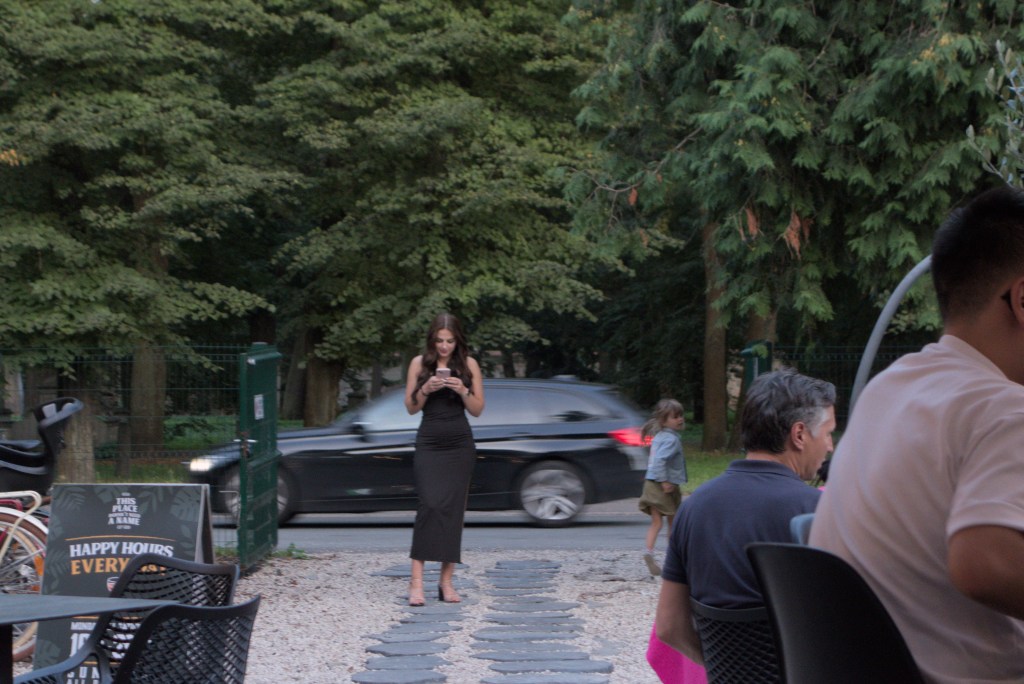
The bridges were particularly nerve-wracking, with holes patched together with crude iron welds, a stark reminder of the Soviet past. But even as the city tested my nerves, I couldn’t help but appreciate how quiet and well-maintained the parks were, a contrast to the chaotic streets.
I drank one Anarkist IPA, and headed home.
Wednesday
Wednesday started with a “Noobs Day,” designed for newcomers. I sat down for five minutes and felt underwhelmed. The speaker struggled to articulate their thoughts, and the presentation felt like a slow crawl to nowhere.
Frustrated, I stepped outside for some fresh air, where I encountered another attendee, Maverick, who shared my sentiments. Our conversation quickly turned into one of the most enlightening discussions I’ve had about Bitcoin, covering everything from the governance issues undermining Bitcoin decentralisation to the challenges of regulatory overreach. It was in these unscripted moments, outside the official agenda, that I found the real value of the conference.
Bitcoin is one of most important inventions since the internet, because it allows the average geezer to save their time to something what inflation, money printing, decreasing purchasing power, stagnating wages, increasing prices for assets, goods and services are doing. (By the way, these are all the same things, described from a different perspective.)
Owning a whole house may be out of reach, stocks and index funds are not scarce and require paperwork, and precious metals like gold are not easily divided to smaller parts without melting it.
You don’t need to buy a whole bitcoin—just stack sats.

If you need my help in understanding Bitcoin: do ask.
Thursday
Thursday marked the beginning of Nostriga, a free, “unconference”.
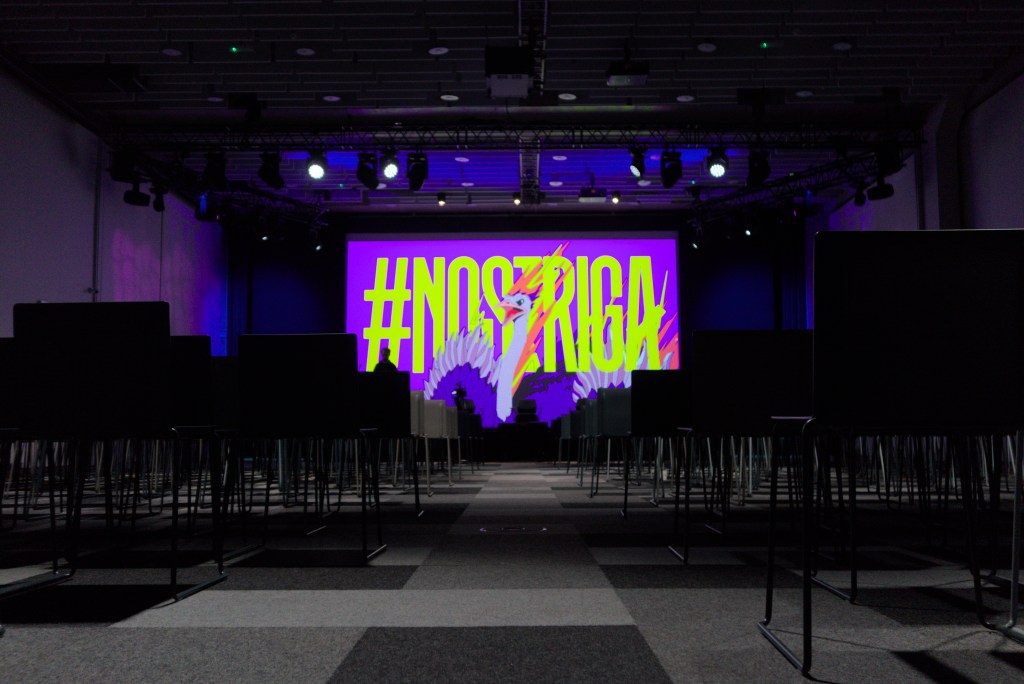
I started my day with a gym session, followed by a spa with Maverick. Withstanding the heat in the sauna wasn’t Maverick’s superpower, but his way with the women was, as I gathered from his stories.
The atmosphere in Nostriga was laid-back, almost casual, with an undercurrent of excitement buzzing through the room. It was here that I had a brief but memorable encounter with Jack Dorsey himself.
I accidentally walked in front of him as he was trying to take a picture of some typography illustrations taped to a door.
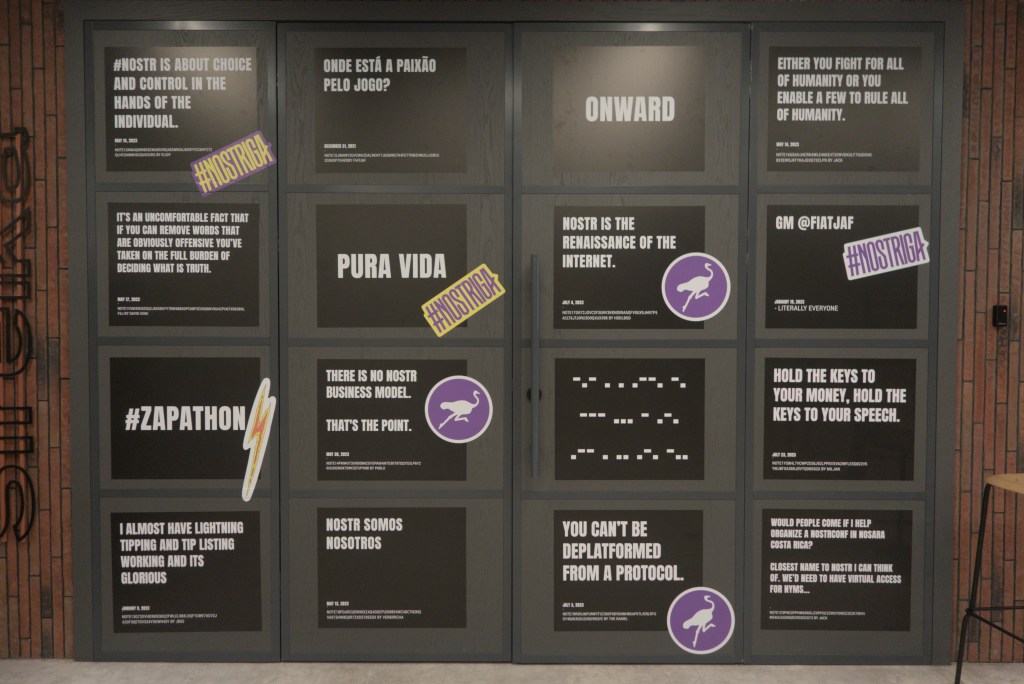
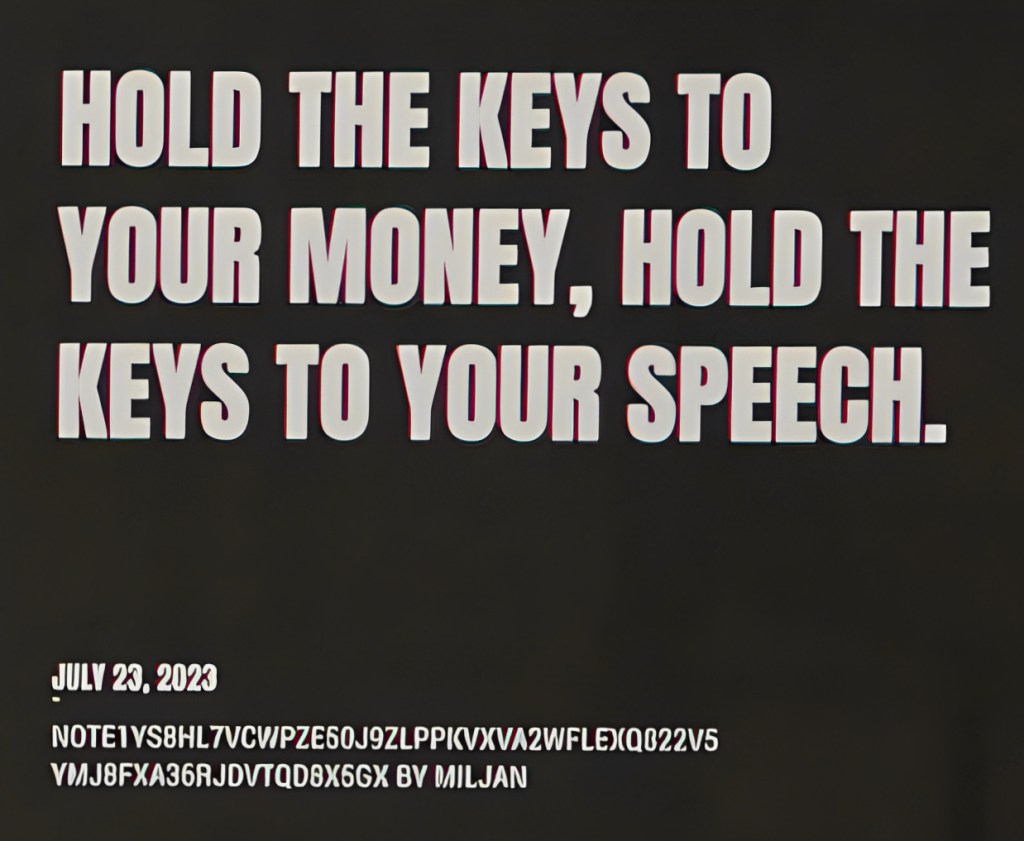
“IT’S AN UNCOMFORTABLE FACT THAT IF YOU CAN REMOVE WORDS THAT ARE OBVIOUSLY OFFENSIVE YOU’VE TAKEN ON THE FULL BURDEN OF DECIDING WHAT IS TRUTH.”
“MAY 17, 2023”
“NOTE1VXM39G0Z6Q2J5K58XYY789HM8XDPC68P2EXNQNKV6U4ZPU6TX00S8XLF6J BY DAVID KING”
We exchanged a glance, and I realised I had just interrupted the tech mogul in the most mundane way possible. It was a humanising moment: Jack Dorsey, despite his fame and wealth, was just another attendee, absorbing the energy of the event like the rest of us.
I didn’t have anything to say to him, and I didn’t really care to be honest. I did think about stealing his cap, but I am not going to say that out loud.
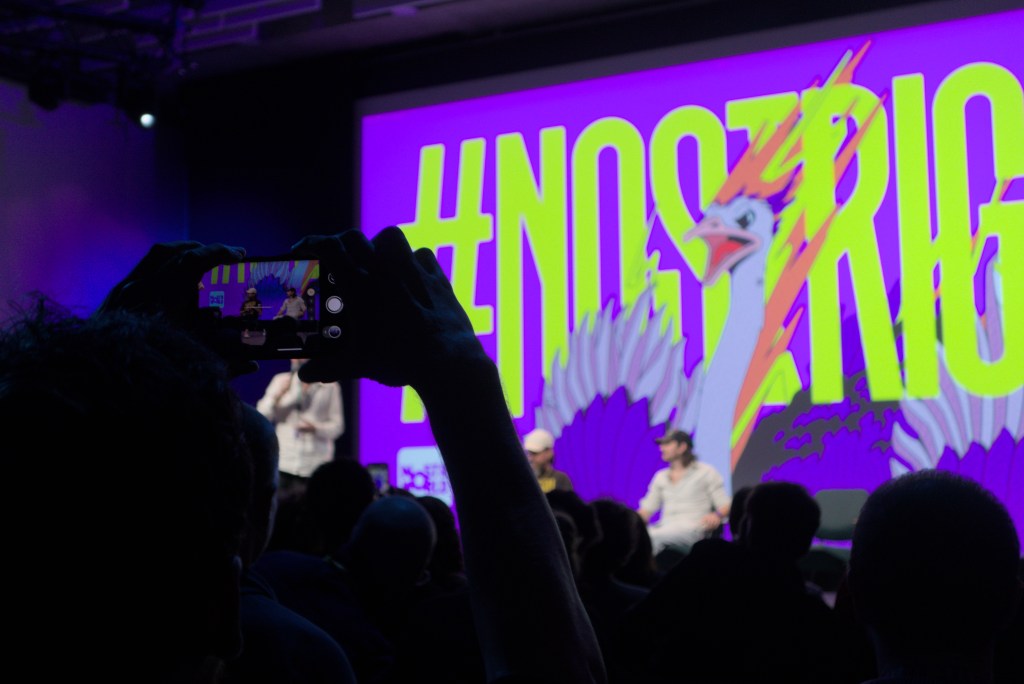
The Nostr protocol was new to me, but the more I learned about it, the more intrigued I became.
It’s a decentralised, censorship-resistant protocol that aims to reinvent the way we interact with media.
With the Nostr protocol, your account isn’t linked to any specific service or platform. If one service were to block access to you, you would still have access to your account in other services as though nothing had happened. You don’t lose your followers, your saved content—and most importantly—your voice.
Additionally, instead of the traditional ad-based revenue model that relies on selling user data, some Nostr clients propose a value-for-value model where users can “zap” (tip) content creators using Bitcoin’s Lightning Network. This is a fascinating synergy, which was evident in the culture and setting of Nostr.
Friday
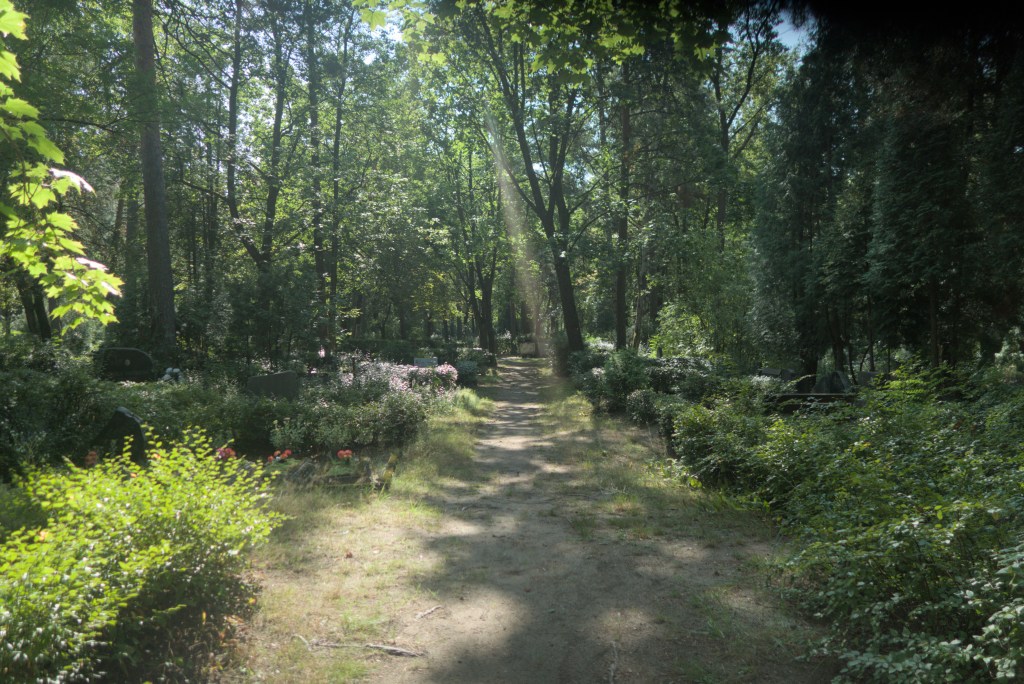
I packed my bags and cycled through the graveyard, heading to the last day of Nostriga.
However, before this, I visited the Museum of Occupation, a stark reminder of Latvia’s soviet past.
Drawings, propaganda posters, personal artefacts and their descriptions thereof behind the metal bars painted a vivid and harrowing picture of the struggles endured by Latvians during the periods of Nazi and Soviet occupation.
My steps hastened as I walked the dimly lit corridors. Each exhibit seemed to peel back another layer of suffering and injustice, revealing the depths of human cruelty.
As I ascended to the second floor, a subtle shift occurred. The exhibit began to focus on Latvia’s path to independence and the enduring spirit that refused to be extinguished despite five decades of oppression. Even the lights got brighter.
It was no wonder that so many Latvians proudly displayed their flags, a symbol of identity and solidarity in a world that often tried to erase them.
A poem etched on the wall spoke of hope, the Latvian spirit that refused to be broken.
do not shed your tears for yesterday
do not fear what comes tomorrow
just in a steadfast, measured way
plough your furrow – straight and narrowKnuts Skujenieks
I could finally breathe.
The experience gave me a deeper understanding and appreciation for the resilience of Latvians and the significance of their national identity.
Suddenly I understood my mother’s and her family’s life better. Estonia faced the same fate.
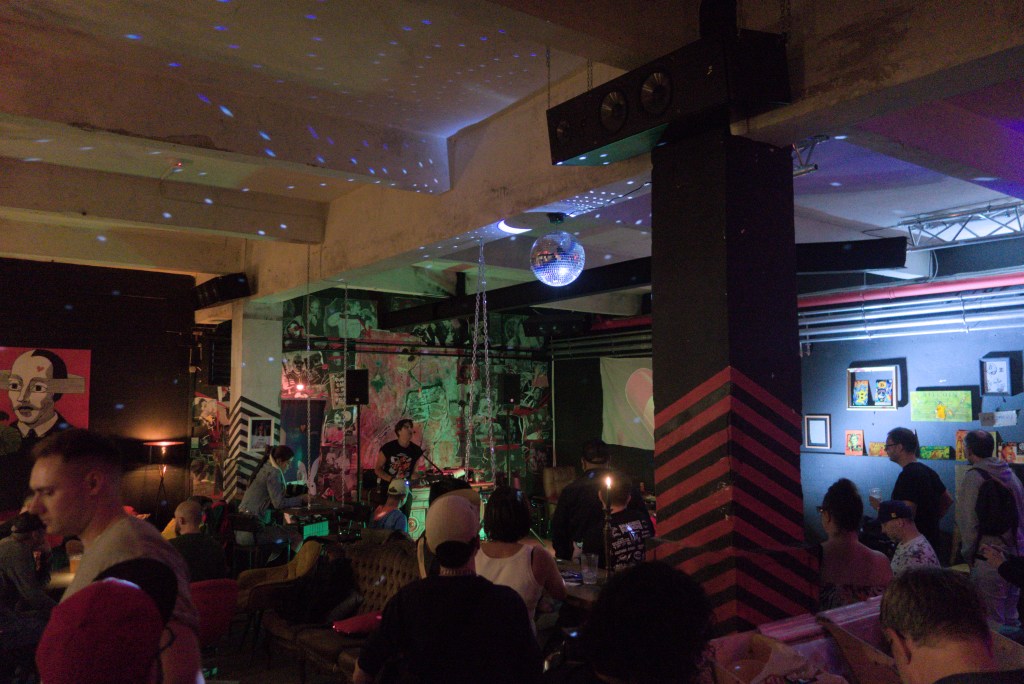
Later that evening, I found myself at a party for nostriches and bitcoiners. But I was tired so I left home early.
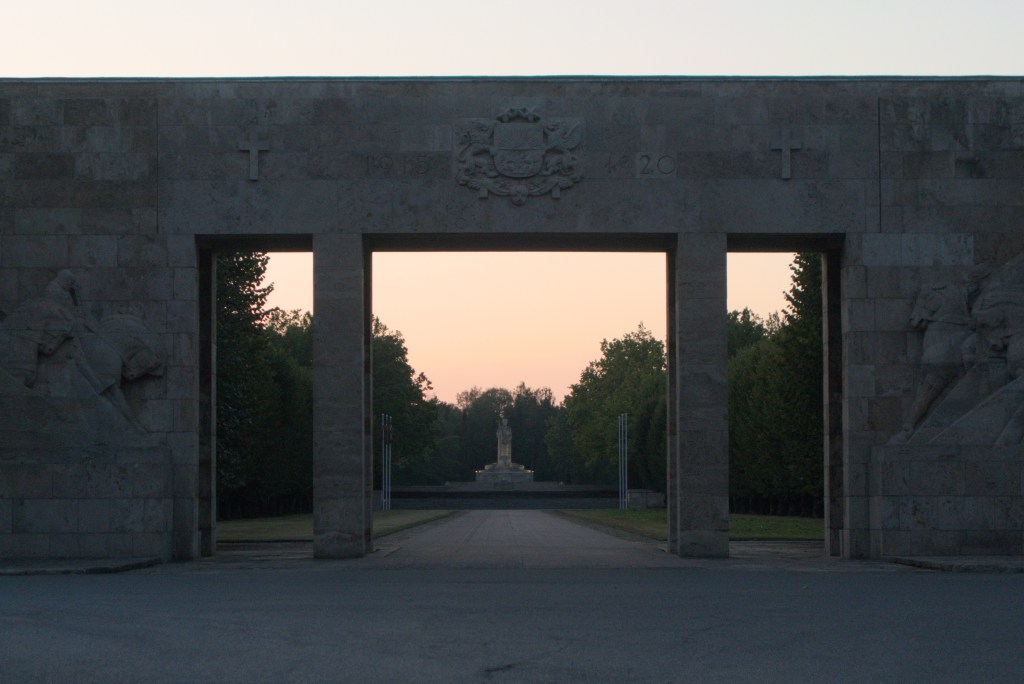
On my way home, I encounter a World War One cemetery, the Brothers’ Cemetery. It was eerie dark.
Saturday
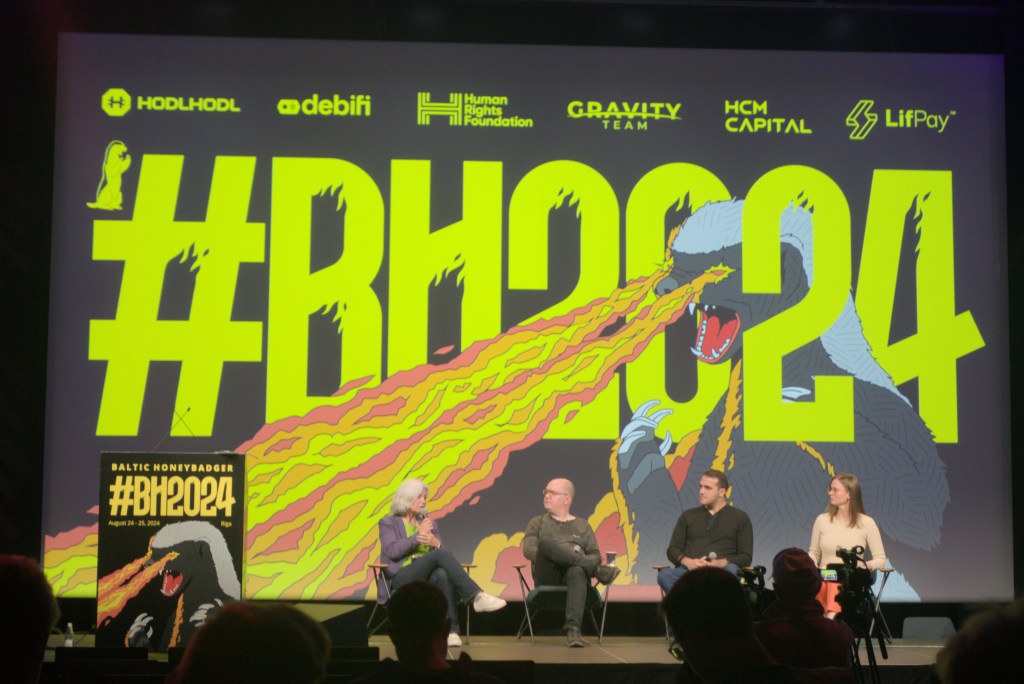
Saturday was the official start of the Baltic Honeybadger Bitcoin conference, a day I had been eagerly anticipating.
Honeybadger, the fierce little animal known for its tenacity, has become the mascot of the bitcoin community, symbolising the resilience and defiance of Bitcoin itself.
The conference was energetic, and I found myself connecting with even more people. Maverick invited me to a dinner. I gladly accepted, curious and eustressed to see who would be attending.
After the conference, I cycled to the centre of Riga, where I stumbled upon a group of teenagers. I hopped off my bicycle and asked them where they were going and if they know of a place. They invited me to join them at Ezisfests, a local music festival.
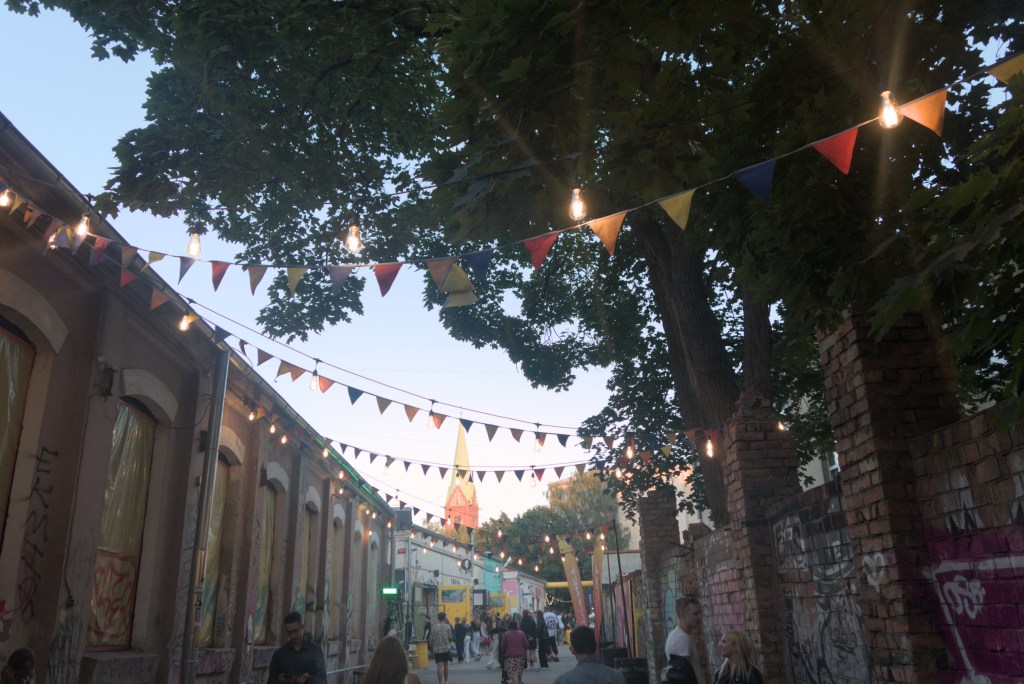
I sat down and watched people walk and talk. In the background I heard Krievija, Atpisies, a song by Inokentijs Mārpls. Apparently it translates to “Russia, get lost”, or as one Latvian explaining it to me said, “Fuck off Russia”. Oof.
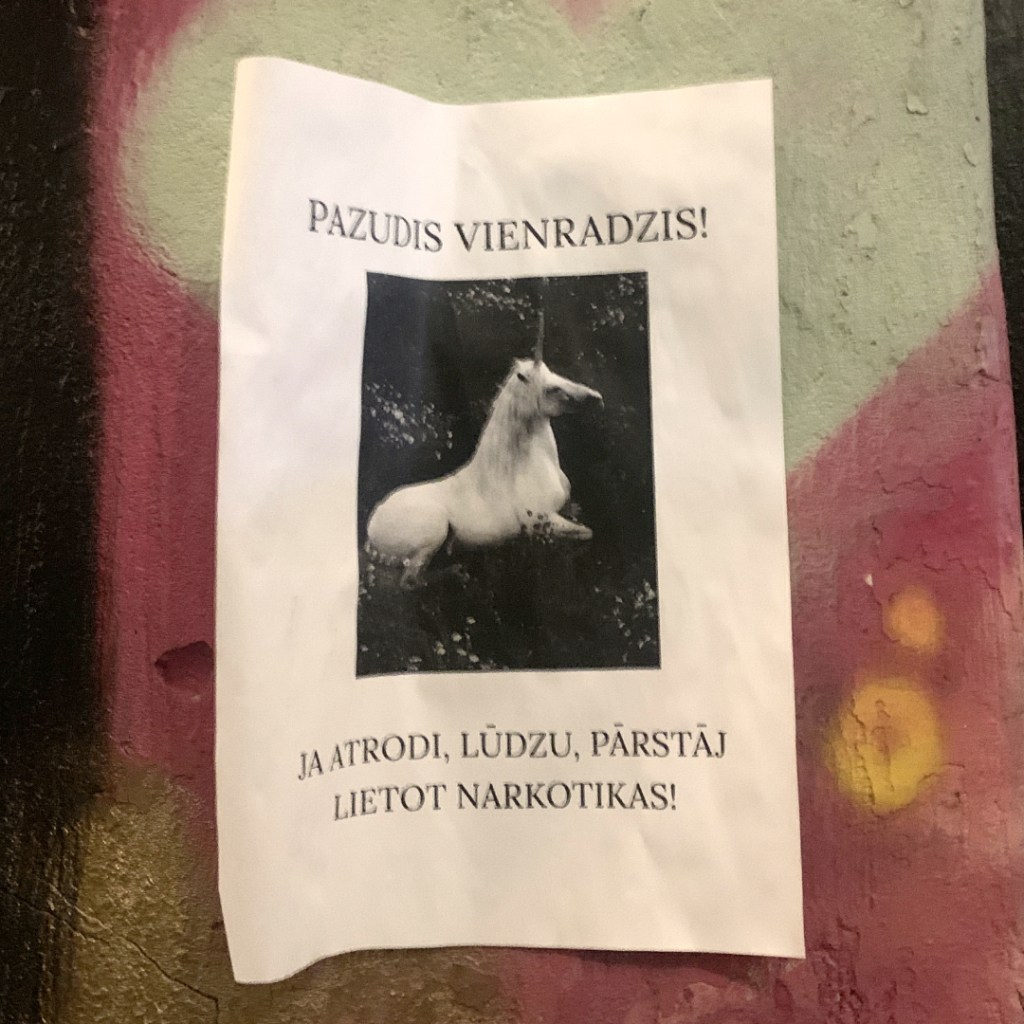
I talked with different people as I sat down in random places. After a while I met Albert. He was charismatic and open-minded, and invited me to join his group of friends. We were jumping, holding hands, dancing, and singing at the pace of the beat and lyrics. I didn’t understand what the singer was singing, but Albert guided me.
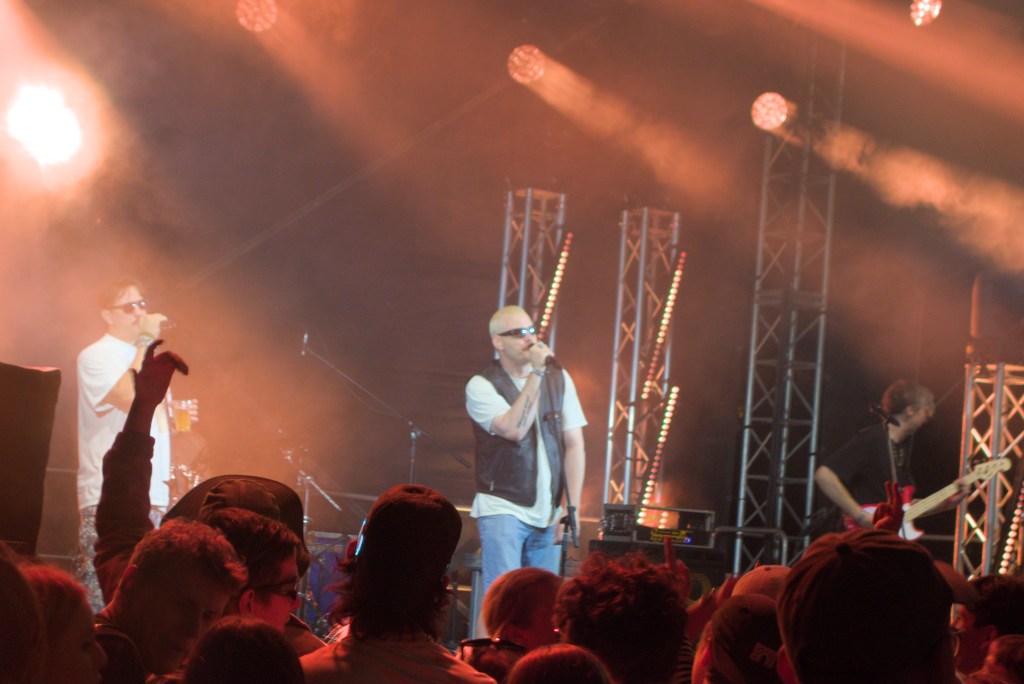
Also in the group was Luna, a girl wearing black, tattoos, and ear piercings.
Sensing my enthusiasm for heavier music, she invited me to an underground punk-metal festival happening the next day. I was thrilled.
Sunday
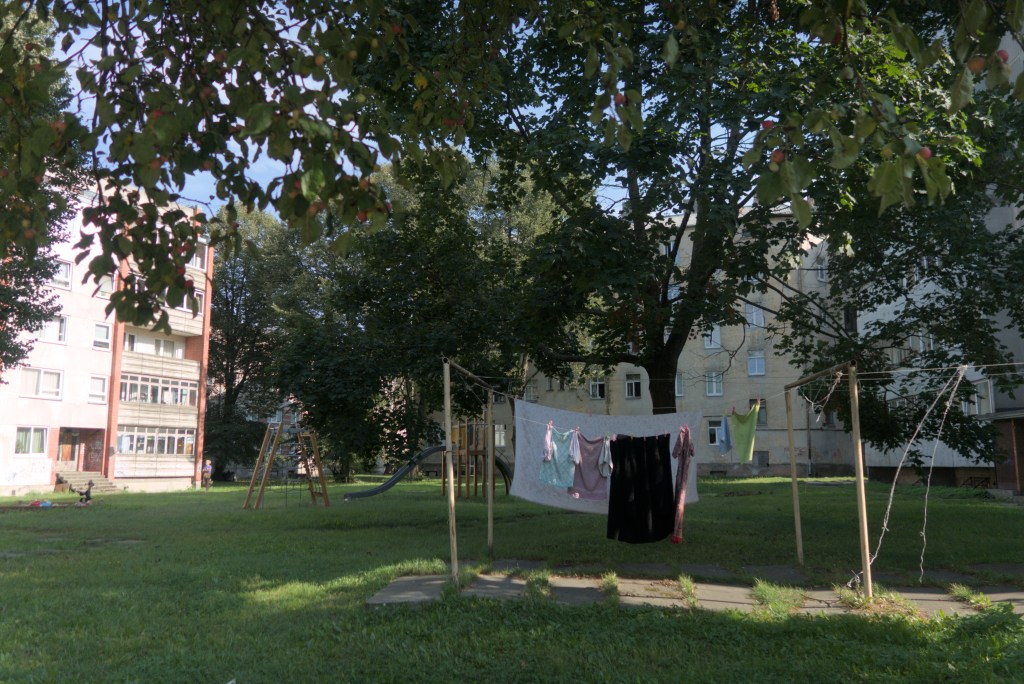
This was the final day of the Baltic Honeybadger conference. Each day I cycled twelve kilometres between my apartment and the conference venue. Occasionally more when I adventured further into the city centre.
To be honest, the conference talks didn’t offer much of value to me. I could always catch up on them online later. I often found myself feeling as though I was missing out while I was sitting down in the audience. I wanted to hang around people and hear their stories.
This desire for genuine interaction led me to leave Jack Dorsey’s final talk halfway through. I reasoned that while I could rewatch the lectures, the chance to connect with people was fleeting and irreplaceable.
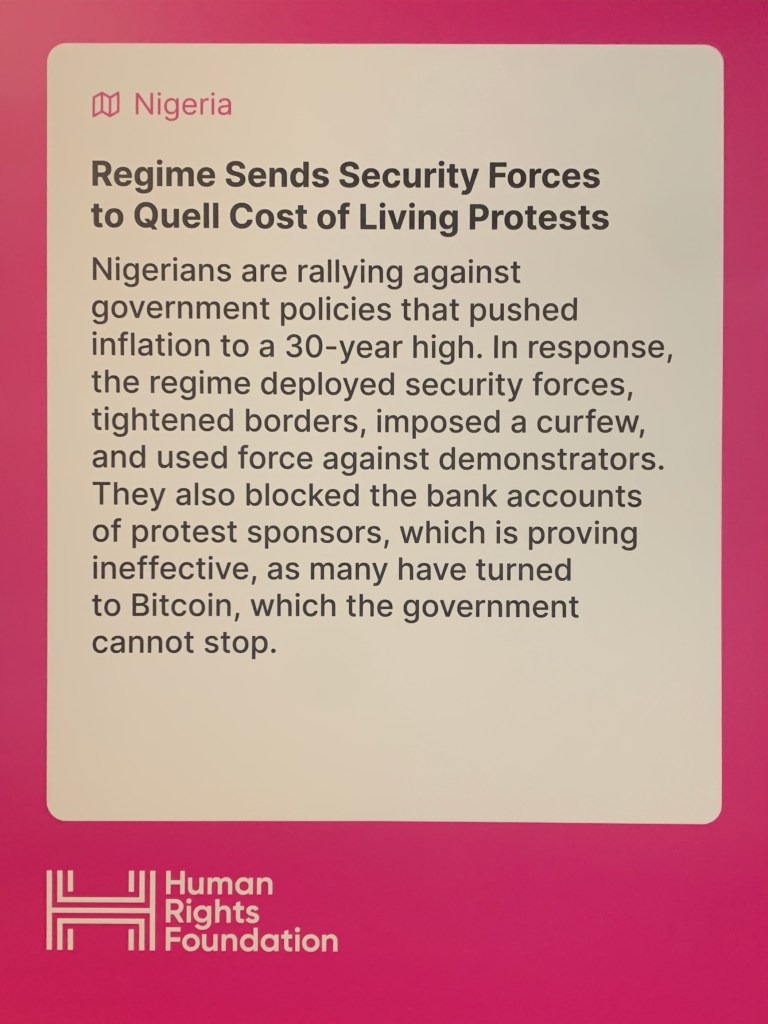
In the evening, I attended the conference dinner that Maverick had invited me to. However, he didn’t show up in the end, needing to leave home.
It was an upscale sushi restaurant. The ambiance was both elegant and cosy, with soft lighting and minimalist décor creating an inviting atmosphere. This setting proved perfect for engaging in meaningful conversations and making the most of my final evening at the conference.
To my pleasant surprise, the dinner guests included several prominent Bitcoin human rights activists, builders, advocates and speakers. Among them were, clockwise:
- Lyudmyla Kozlovska
- Dr. Dorien Rookmaker
- Jorge Jraissati
- Alex Li
- Obi Nwosu
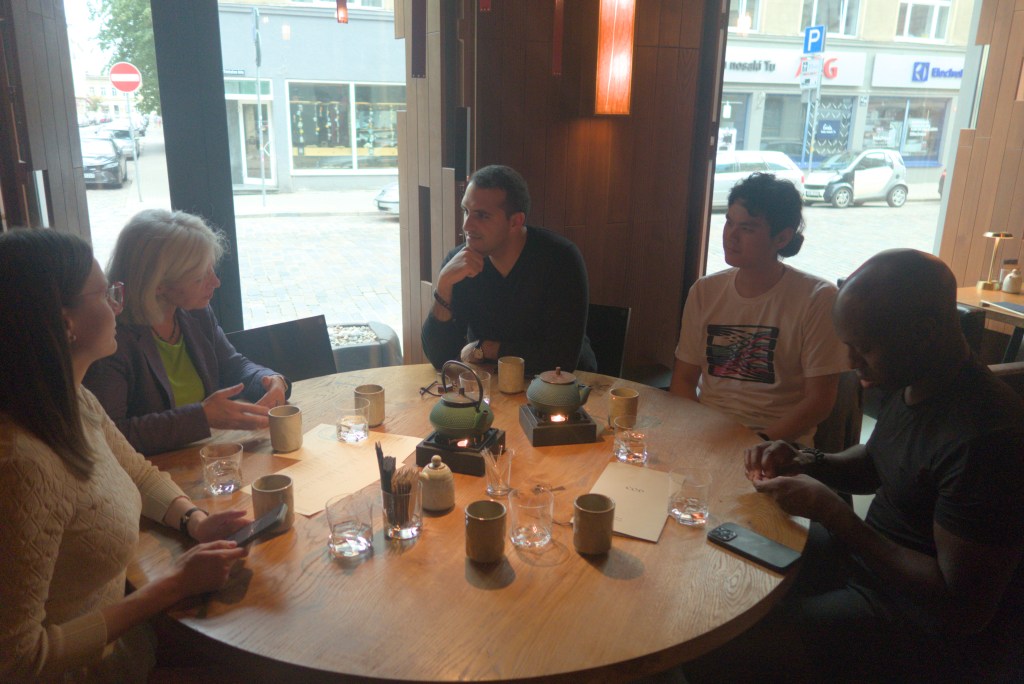
Initially, I felt a twinge of imposter syndrome creeping in—here I was, a self-described enthusiast and learner, sharing a table with individuals who were shaping the very discourse and direction of the fields I was passionate about.
However, any apprehensions quickly dissolved as the conversation flowed freely and inclusively. We discussed a wide range of deep topics: nihilism, suicide, happiness, gender, central bank digital currencies, privacy, cashlessness, trust, regulation, and European politics.
I had to leave soon, so I asked everyone what they were looking forward to upon returning home. Common answer among everyone was work.
Obi Nwosu was looking forward to boardgames, notably Blood on the Clocktower. I thought his passion for the game was adorable. I was looking forward to gym and girlfriend.
With the meal concluded, I felt a profound sense of gratitude for the opportunity to engage with such inspiring individuals. Yet, the night was still young, and I had another adventure awaiting me—the underground punk-metal festival that Luna had invited me to.
I met Luna and her friends Ramona and Agnes at a decaying building on the outskirts of the city, its unassuming facade betraying nothing of the vibrant energy pulsating within.
The venue was dimly lit and smoky. It smelled like the breath of a babusha that had smoked for decades. People were packed wall-to-wall with diversity of black attire, adorned with tattoos, piercings, and expressive makeup.
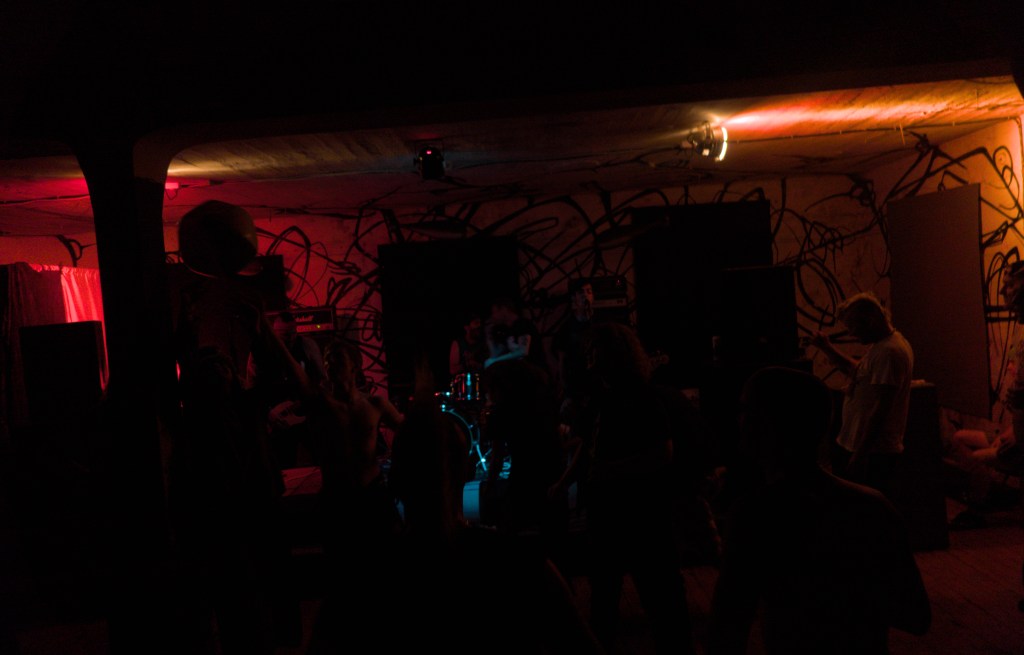
The atmosphere was intense and immersive, a visceral assault on the senses that was both exhilarating and a bit overwhelming.
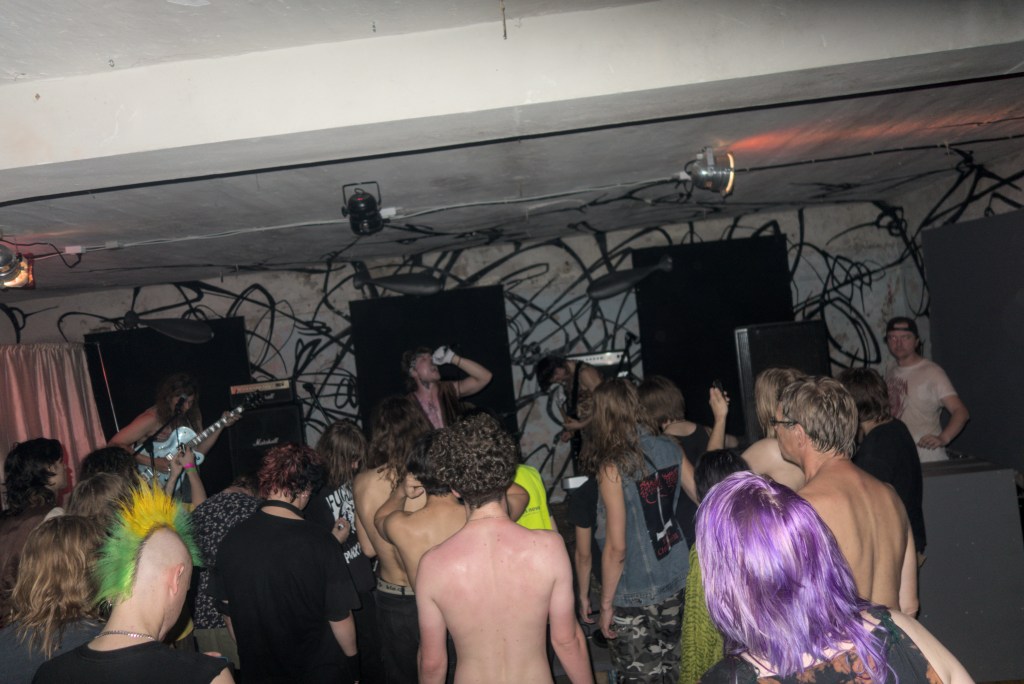
The band on stage, Pidari, thrashed out powerful riffs and guttural vocals, the crowd responding with fervent enthusiasm—headbanging, moshing, and moving as one unified, pulsating entity.
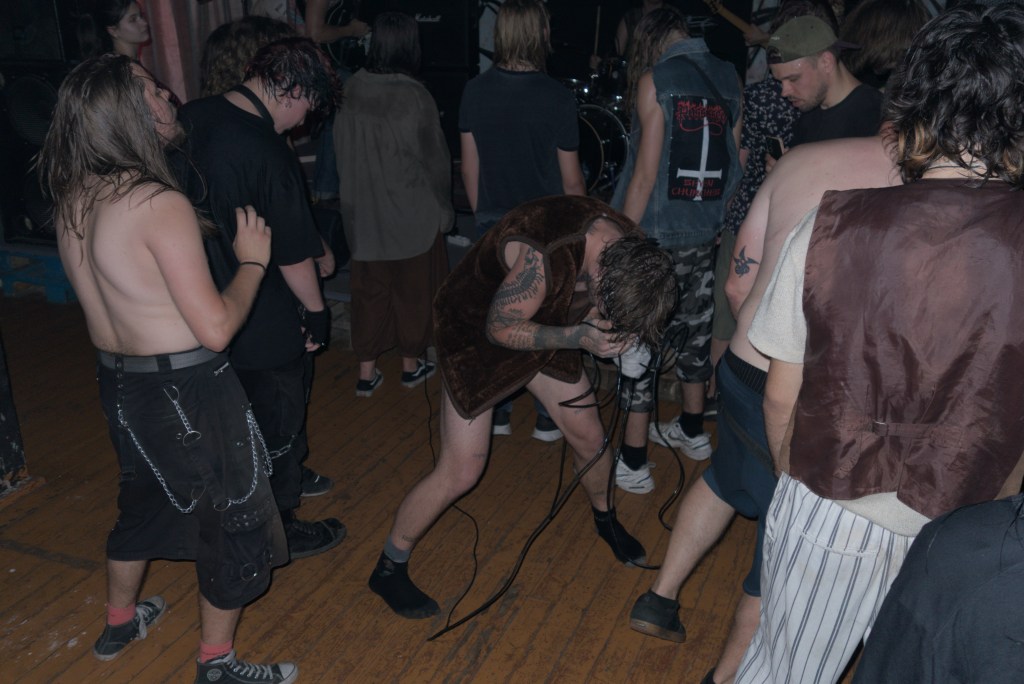
The hours that followed were filled with a sense of shared exploration of the unknown, a night where boundaries seemed to blur and multiple experiences merged seamlessly. The end of the night was, to put it mildly, whole-some. (I am in an ethical non-monogamy relationship with my girlfriend.)
Monday
My neck ached from the relentless headbanging from last night, and I was exhausted. Still, time was slipping away, and my visit to Riga was quickly running out.
The old town remained unexplored, and I was determined not to miss it. As I pedaled through the streets, I looked out for cats. Yes, cats.
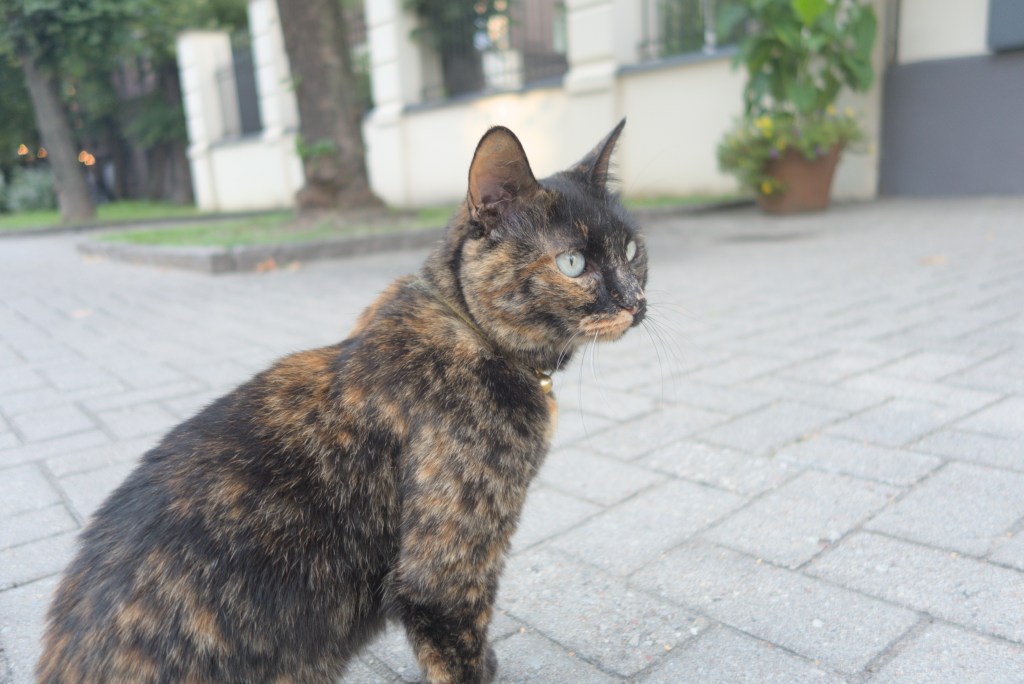
I found five stray cats and this fine beauty with only three legs!
Tuesday
I allowed myself the luxury of sleeping in. I was definitely getting sick.
After finally rousing, I decided to embrace the day with a leisurely bicycle ride to the park. I headed to the Mežaparks beach, a serene spot on Ķīšezers lake.
The sun warmed my skin as I tried to float on the water. A baby is crying, kids are playing, and adults are sunbathing. The gentle touch of the lake was a perfect contrast to the previous night’s revelry.
I returned to the café where I met Everett. He made me a litre of black tea with honey to comfort me as my throat became more sore and I stared to feel weak.
I thanked him for lending the bicycle. We hugged before he walked away, heading to the Swiss Alps as I left to the airport.
Final thoughts
This past week has been one of the most transformative experiences I’ve had, of Latvian culture, history, and its people. I got so many new friends for which I am grateful.
And Bitcoin and Nostr, and the synergy of them, may potentially reshape the world as we know it. I think that working in Bitcoin is one of the most ethically-sound fields. Sound money, sound ethics. (Can I make that generalisation?)
However, there’s a pressing question that remains unresolved:
How does Bitcoin address economic inequality?
I don’t think it does.
Just because money printer doesn’t go brrr anymore, doesn’t mean that there is less economic inequality.
Consider the archetypal “bitcoiner.” He has amassed substantial wealth through bitcoin early on and is a advocate of its principles. He stands firmly against money printing. He opposes government overreach, particularly in regulation and taxation. From his perspective, taxation appears unnecessary, especially when central banks can print money at will, which the ordinary people do not even get to use.
Why contribute to a system that seems fundamentally flawed? Indeed. But this logic leads many bitcoin proponents to the conclusion that all taxation is inherently detrimental, even under a Bitcoin-standard.
How do we combat inequality without some form of taxation? How do we redistribute resources? Just because one was born lucky to a rich family, in a safe and supporting country, and has access to resources shouldn’t dictate the lives of others.
If we don’t impose taxes on the wealthiest—those who control the vast majority of global assets—how do we ensure a fair distribution of resources? The concentration of wealth among the 1% of the 1% exacerbates inequality, and without taxation, there’s no alternative mechanism to address this disproportion.
In a future where bitcoin becomes the main currency and wealth shifts from those without bitcoin to those with it (hyperbitcoinisation), thinking that taxation is still a problem doesn’t make much sense. If you still believe taxes are bad, we’re basically stuck in the same situation as before, with no real change.
You can be a bitcoin billionaire measured in bitcoin or satoshis, but people still remain poor, just like in the previous system. Nothing has changed.
Then again, if satoshis become the standard for transactions, paying capital gains taxes on it seems pointless.
What would you suggest?


 Ville
Ville 
Leave a reply to villekokkomaki Cancel reply