What OpenSats left me with
2 min read
It was early this year that I figured I must at last find work. I wasn’t particularly optimistic, but I did. I was creating debankd.org, a database of financial censorship cases that I visualise. While designing it, I got an email that OpenSats wanted to interview me. Very cool! I thought. I prepared, they liked me, and I got hired. (Those two, debankd and hiring, had nothing to do with each other.)
I quickly learned what OpenSats does: they disseminate donations to specific ‘freedom tech’ projects, mostly Bitcoin and Nostr. Noble cause, I thought.
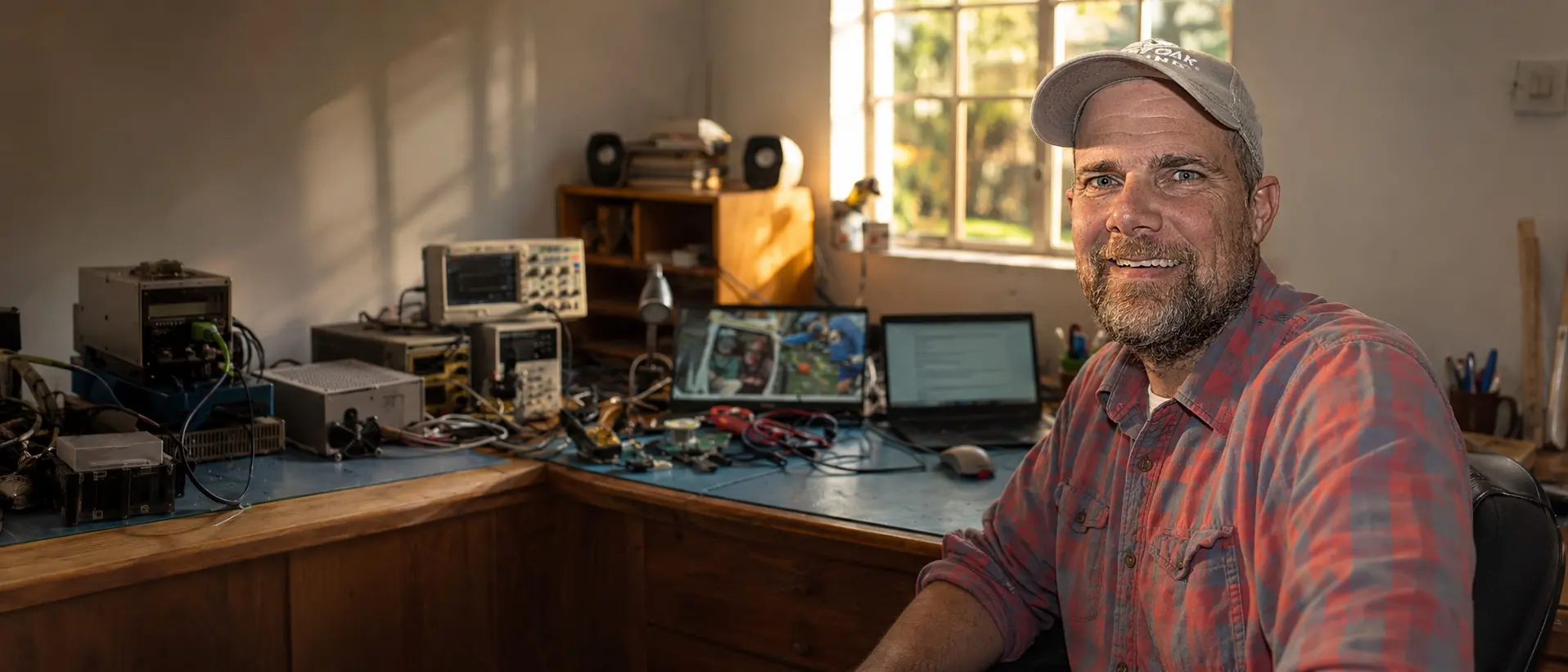
During the time, I managed to interview four people and wrote long stories about them: Cody, Nym21, Rajarshi and Kurt. I loved to hear their stories, and how Bitcoin and freedom tech had changed their lives and attitudes. They were all very sympathetic, down to earth, and intelligent people.
On a separate event unrelated to OpenSats, at an international human rights conference, the Oslo Freedom Forum, I also talked to many smart people there, and realised quite quickly what the general mood toward ‘freedom tech’, censorship-resistant applications is. Not good, not great.
 |  |
|---|---|
 |  |
This work and time changed how I see Bitcoin. Not only is financial privacy slowly outlawed, the very Bitcoin core protocol development has been stale and contentious for an extended period.
Some die a hero, and other live enough to see themselves become the villains. Few ego-inflated bitcoin maximalist “super stars” think they can curse in CAPS LOCK. Some sell themselves to big cryptocorporations and market second-layer solutions, shamelessly breaking all the fundamental principles of censorship-resistant money. Others moan about how to pronounce the acronym BIP. Some work their assess off thanklessly. And yet others build quietly and adamantly tools like Payjoin, Silent Payments, Lightning Network, Chaumian ecash, Nostr clients and relays, and open hardware around Bitcoin. Occasionally, ironically, it is a mix of all that.
After three months, the story between me and OpenSats concluded. I had a sixth, 10-day vipassana-meditation retreat, and afterward it all became whatever “that” was, and whatever it was never meant to be.